
 Language
 English
 Deutsch


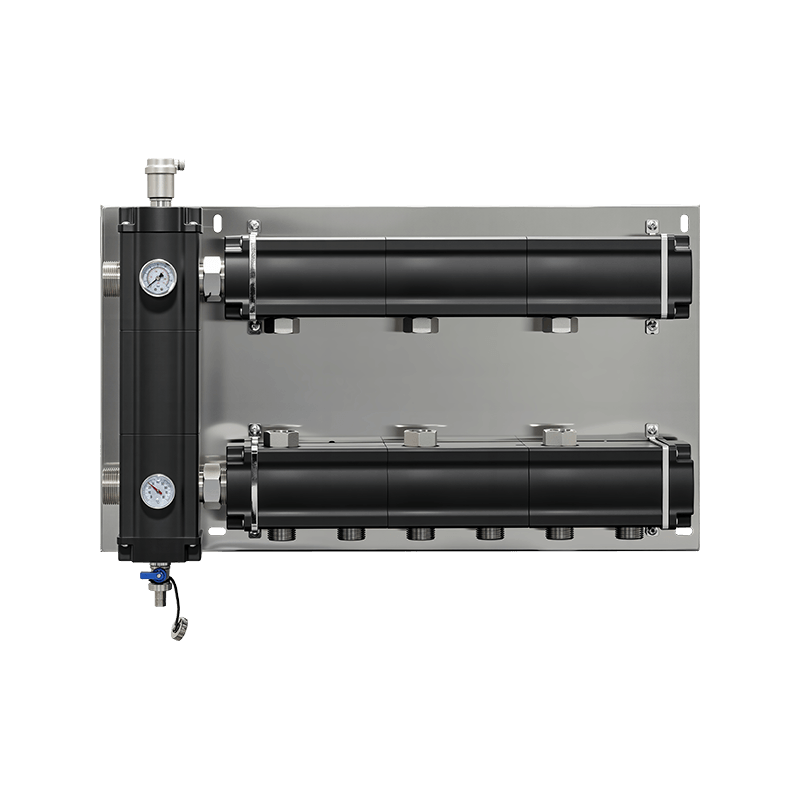
Managing heating in busy residential environments often involves multiple circuits and complex pipe arrangements. Components such as the Manifold Cabinet and Tube Bend Support play a significant role in organizing these systems, making it easier to control water distribution, monitor performance, and maintain the system over time. Understanding how these elements work together can help homeowners and technicians handle more complex setups without confusion or unnecessary adjustments.
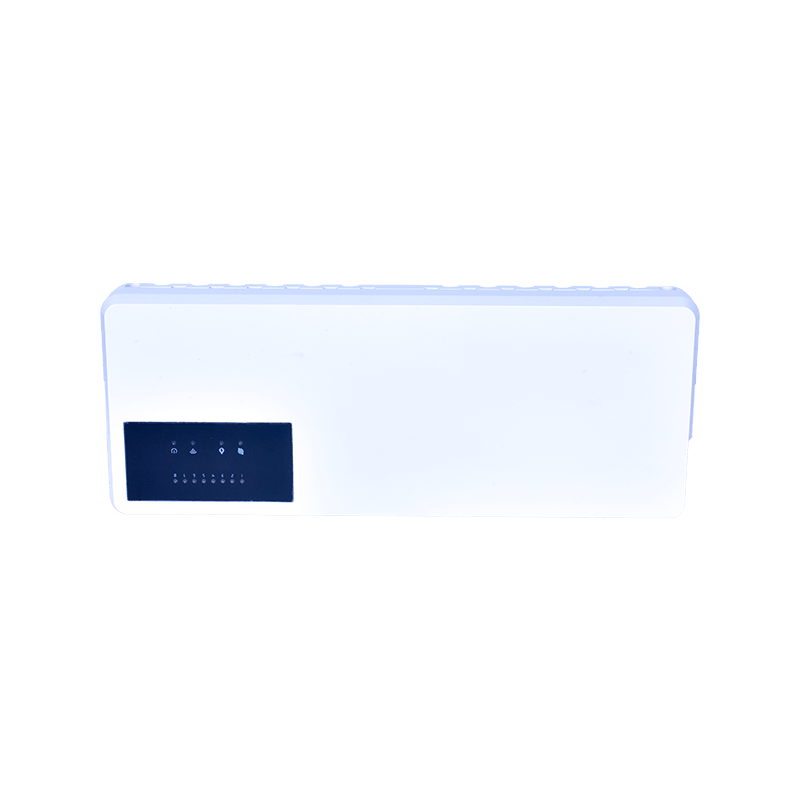
Centralized Water Distribution
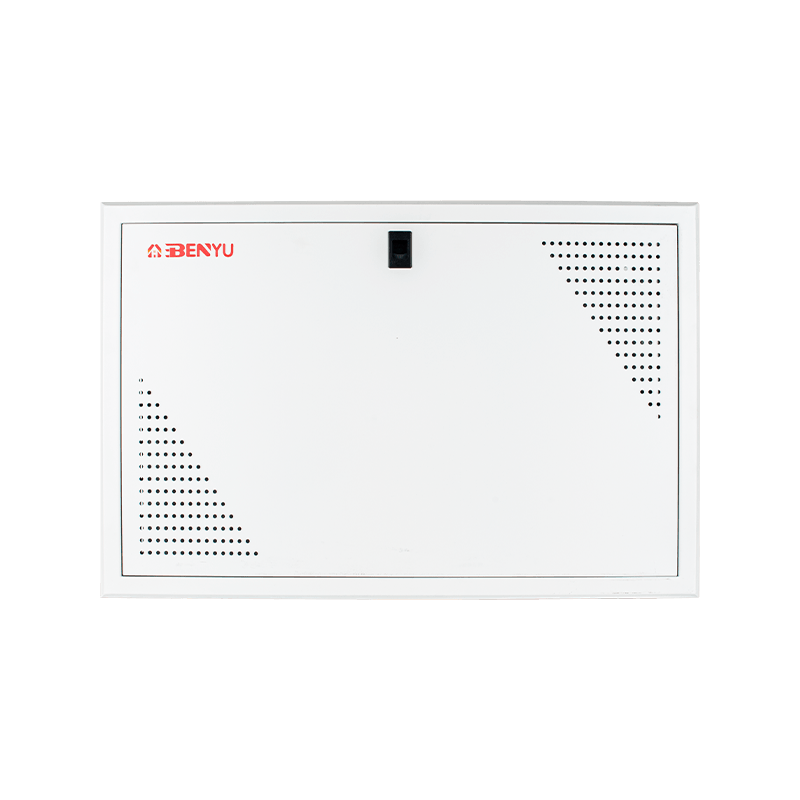
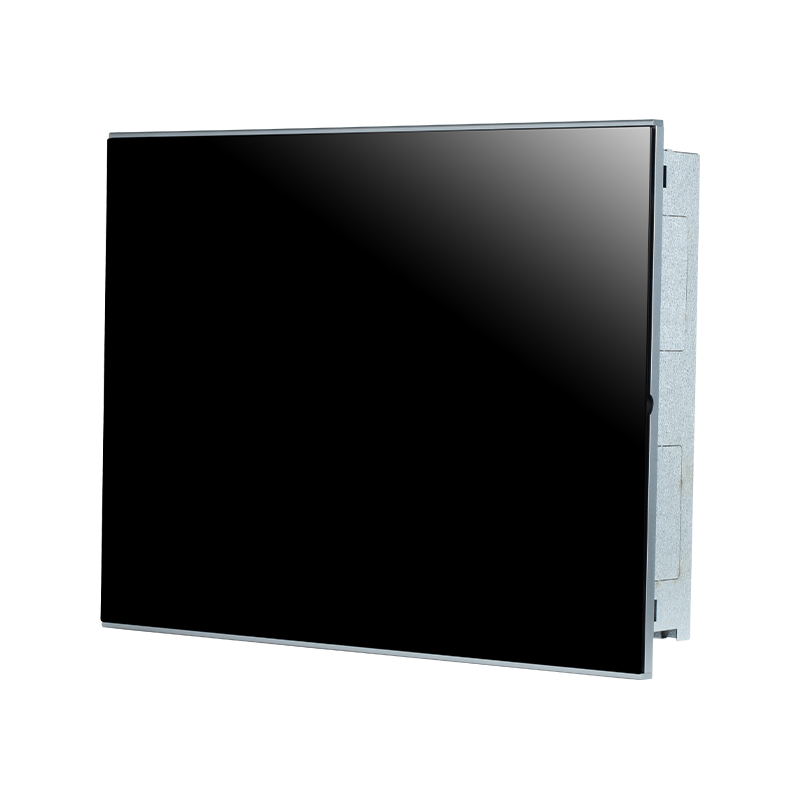
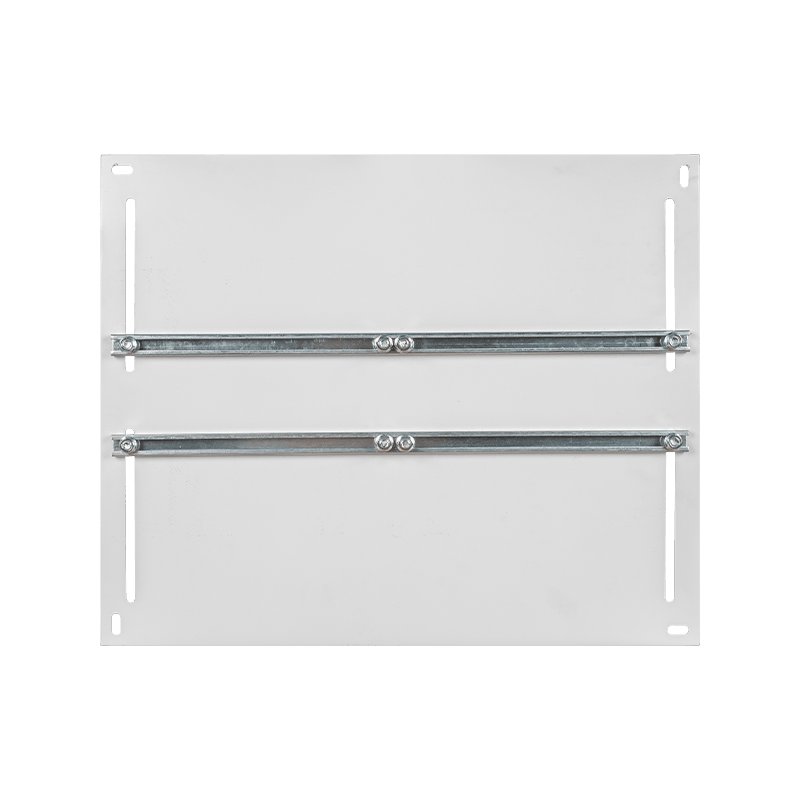
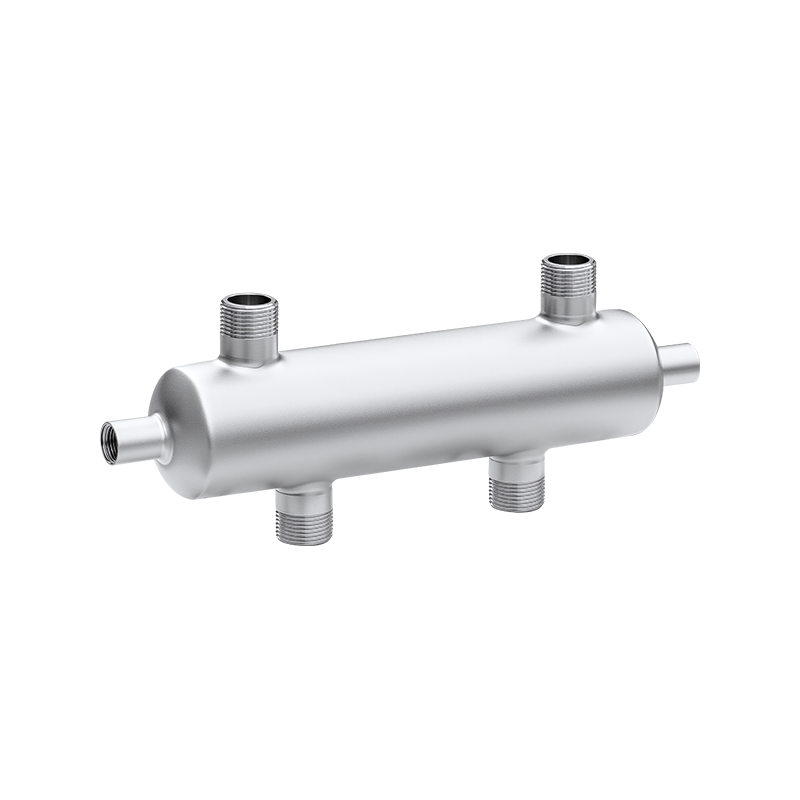
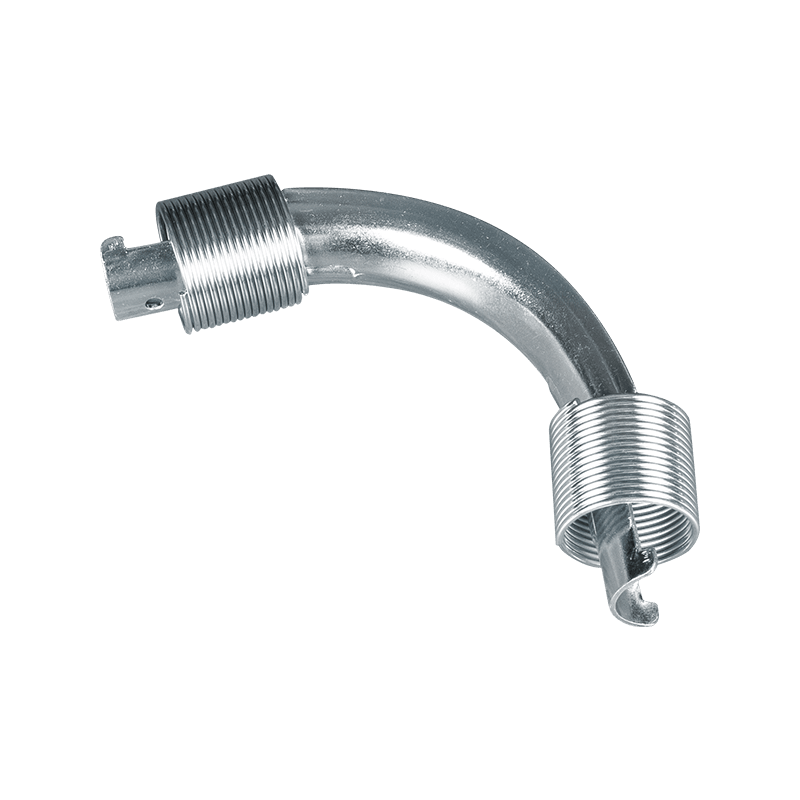
A Manifold Cabinet serves as a central point where water from the main supply is distributed to several heating circuits. By consolidating all inlet and outlet connections in one location, it simplifies the layout and provides a clear overview of the system. Tube Bend Supports complement this arrangement by maintaining proper alignment for curved or bent pipes, reducing stress on joints and preventing unnecessary strain. This organized setup helps users quickly identify each circuit, making adjustments or inspections easier to perform.
Streamlined Installation Process
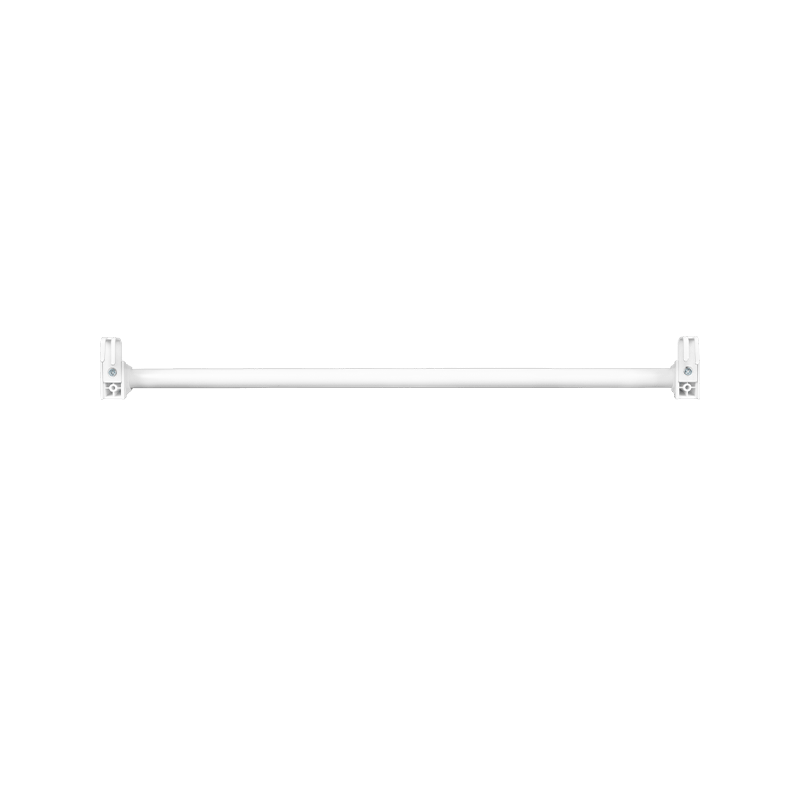
Installing multiple heating circuits in a residential setting can be challenging, especially when dealing with tight spaces or existing structures. Tube Bend Supports provide fixed points where pipes can bend without overstraining, while the Manifold Cabinet organizes connections in a logical layout. This combination reduces the need for repeated adjustments and allows installers to maintain cleaner pipe routes, which can save time during setup and provide a more orderly appearance.
Improved Monitoring and Access
Many modern manifold cabinets include visual indicators or flow meters that display the operational status of each circuit. Supported pipes remain stable, ensuring that these indicators provide accurate information. This stability also makes it easier to access individual circuits for maintenance or minor adjustments, especially in busy residential setups where multiple zones operate simultaneously. Users can monitor water flow, check for imbalances, and manage each circuit without disturbing other parts of the system.
Durable and Stable Construction
Manifold Cabinets and Tube Bend Supports are typically made from corrosion-resistant metals such as stainless steel or coated iron. These materials provide durability under normal operating conditions, including temperature changes and exposure to moisture. The stable structure reduces the likelihood of pipe misalignment or deformation, which contributes to a consistent and orderly system that requires fewer corrections over time.
Space Efficiency and Organization
In homes with limited space, managing multiple circuits without a clear plan can cause tangled pipes and complicated maintenance. Tube Bend Supports help guide pipes along defined paths, while the Manifold Cabinet organizes the connections centrally. This layout improves accessibility, allowing homeowners or technicians to work on specific circuits without disturbing others. It also contributes to a neater overall appearance, which can be important in spaces where the heating system is partially visible.
Flexibility for Future Adjustments
Residential heating setups often change over time, whether due to renovations or the addition of new zones. Tube Bend Supports make it easier to add new pipes or modify existing routes without disturbing the overall system. The Manifold Cabinet acts as a structured reference point for aligning new circuits, allowing adjustments to be made with disruption to other parts of the system.
Simplified Maintenance Tasks
Routine maintenance becomes more straightforward when pipes are properly supported and organized. Each circuit is clearly accessible, and the layout reduces the chance of accidental disturbances when valves or components are serviced. Tube Bend Supports ensure that pipe bends remain stable, while the Manifold Cabinet centralizes distribution, allowing users to identify issues quickly and make adjustments efficiently.
 Qigang Road, Huanghuaguitou Industrial Zone, Liu Shi Town, Yueqing City, Wenzhou City, Zhejiang Province



