
 Language
 English
 Deutsch


Modern underfloor heating systems have evolved beyond simple thermostats, combining digital control with physical distribution through a Manifold Cabinet. An Underfloor Heating Intelligent Controller provides the user with the ability to regulate room temperatures, zone heating schedules, and system components such as pumps, boilers, and actuators. Understanding the level of control available helps users make informed decisions about installation, operation, and adjustments to suit daily routines.
Individual Zone Management
One of the key ways an intelligent controller offers control is through zoning. Users can set separate schedules or temperature preferences for different rooms or areas within a building. This is particularly useful in spaces where occupancy varies, such as bedrooms, living areas, or home offices.
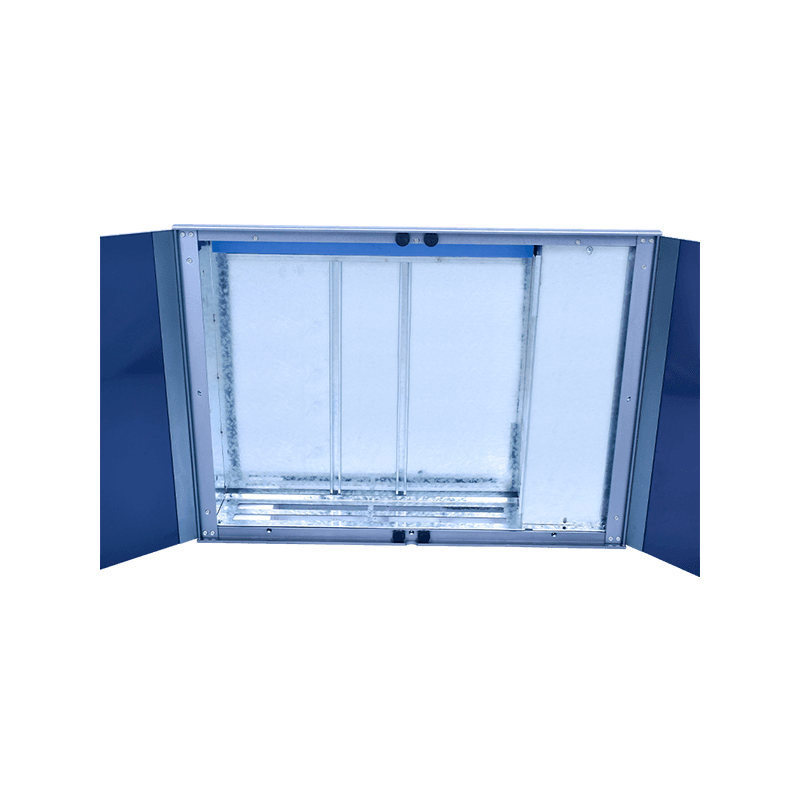
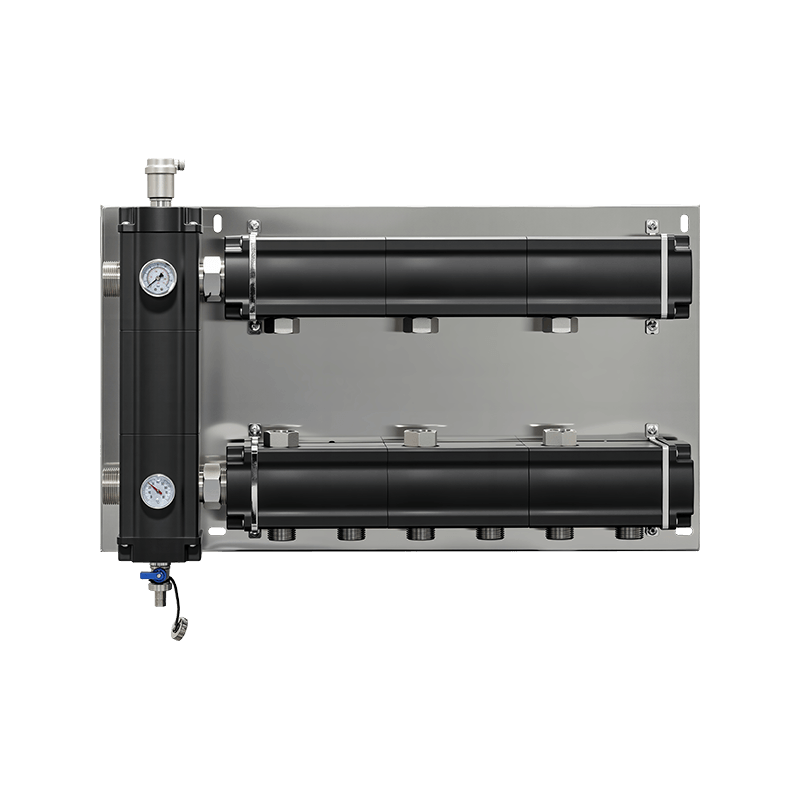
Zonal control relies on the interaction between the controller and the Manifold Cabinet. The cabinet distributes heated water to each loop, while the controller opens or closes actuators according to the set schedule. Users are able to adjust these zones individually, rather than treating the entire building as a single area, allowing the system to respond to specific occupancy patterns.
Temperature Adjustment and Scheduling
Temperature settings are one of the visible forms of control. Intelligent controllers typically allow users to adjust room temperature directly from a panel or connected interface. Users can set daily or weekly schedules to align heating with lifestyle patterns, such as cooler temperatures during the night or in unoccupied rooms.
Because underfloor heating responds more gradually than conventional radiators, the controller provides a way to plan temperature changes ahead of time. By adjusting schedules rather than reacting to immediate changes, users can maintain comfort while limiting unnecessary operation. The Manifold Cabinet ensures that these adjustments are applied consistently across each loop.
Interaction With System Components
Beyond setting temperature, an intelligent controller can manage various components of the heating system. For water-based systems, this includes switching pumps on or off, controlling boiler activity, and regulating mixing valves. In combination with a Manifold Cabinet, the controller can direct water flow more accurately to match the needs of each zone.
Electric systems benefit similarly, with the controller opening or closing electric actuators according to temperature demand. Users are not required to manually operate these components, but the system allows them to monitor and adjust behavior if necessary. This level of control provides insight into how each component interacts with the overall system.
Feedback and Monitoring
Effective control also depends on feedback from the system. Intelligent controllers often display current temperatures, active zones, and the status of pumps or valves. This information helps users make informed adjustments without guesswork.
When paired with a Manifold Cabinet, this feedback can indicate whether water is circulating as expected through each loop. Users can confirm that temperature settings correspond to actual heating output, helping to maintain consistent conditions across multiple zones.
Integration and Remote Access
Some controllers offer connectivity options for remote monitoring and adjustments. Users can interact with the system via mobile apps or online interfaces, providing control even when they are not physically present.
Through this integration, users can modify schedules, check zone status, and review system performance from a distance. This does not increase heating capacity but provides convenience and flexibility in managing the system. The Manifold Cabinet continues to handle physical distribution, translating digital commands into practical adjustments.
Adaptability to Changes
Buildings and usage patterns may change over time, and the controller can accommodate adjustments in zoning, scheduling, or component operation. Adding a new room or modifying a loop in the Manifold Cabinet can be reflected in the controller settings, ensuring that the system continues to align with current needs.
This adaptability allows users to maintain control without major hardware changes. Adjustments to schedules or zones are often sufficient to keep the system functioning smoothly as requirements evolve.
User-Focused Design
A user-friendly interface contributes significantly to the level of perceived control. Clear displays, intuitive navigation, and accessible menus make it easier for users to interact with the system. Labels for zones, loop identification, and simple adjustment options reduce the likelihood of errors or confusion.
Controllers designed with straightforward operation in mind allow users to manage their environment efficiently. Even complex functions, such as scheduling multiple zones or adjusting flow through the Manifold Cabinet, can be executed without specialized training.
 Qigang Road, Huanghuaguitou Industrial Zone, Liu Shi Town, Yueqing City, Wenzhou City, Zhejiang Province



