
 Language
 English
 Deutsch


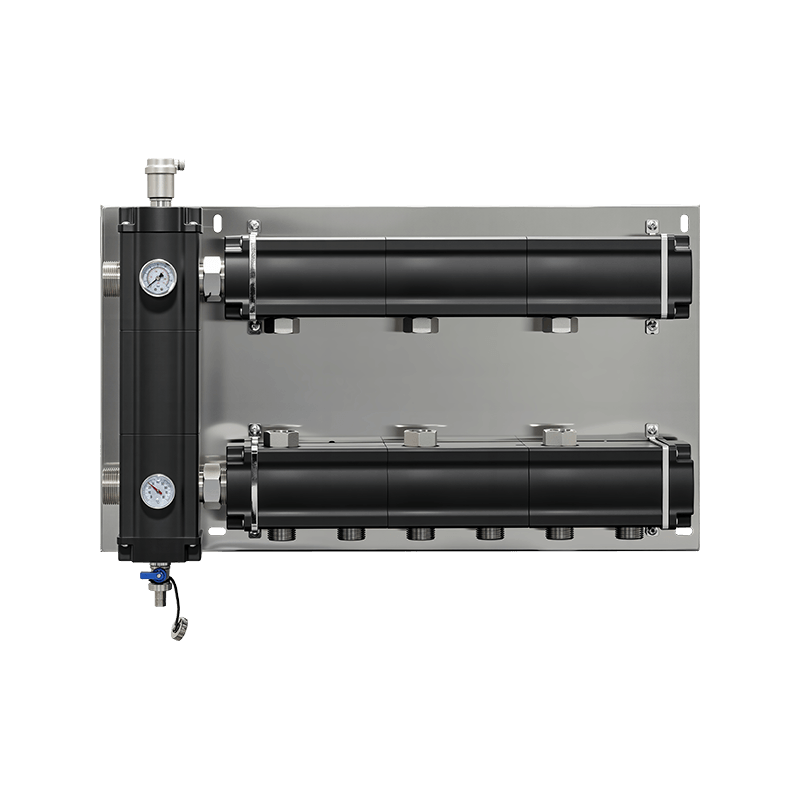
As buildings place greater emphasis on indoor comfort and practical energy management, underfloor heating systems are increasingly paired with digital control solutions. An Underfloor Heating Intelligent Controller works together with a Manifold Cabinet to coordinate water flow, temperature balance, and room-level control in a more organized way. For users, however, the value of such a system is not defined by technical capability alone. Ease of use, clarity of operation, and adaptability to daily routines are equally important. Understanding what makes an intelligent controller user friendly helps homeowners, facility managers, and installers choose a system that supports comfort without adding operational complexity.
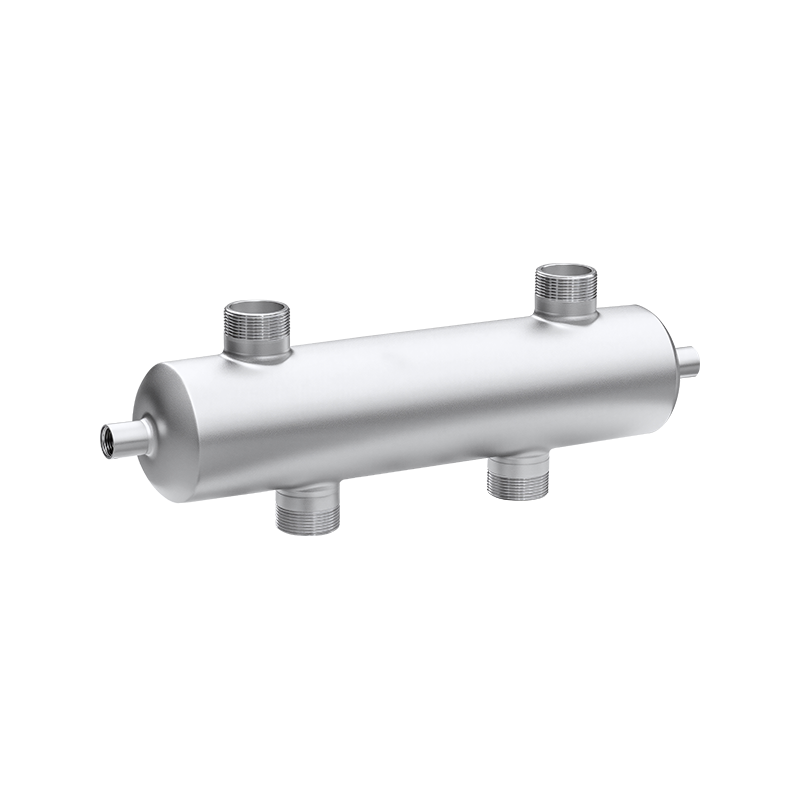
Clear Interface Design That Reduces Learning Time
Underfloor heating systems often run quietly in the background, which means users may interact with the controller only occasionally. When adjustments are needed, the interface should allow changes without requiring technical knowledge.
A practical controller presents temperature settings, zone information, and operating status in a clear layout. Simple icons, readable text, and logical menu structures help users understand what the system is doing at a glance. Instead of relying on complex parameter codes, well-designed controllers use intuitive navigation that reflects everyday thinking, such as room names or time periods.
This clarity is especially useful in homes or commercial spaces where multiple users may need access to the system. A controller that is easy to interpret reduces the risk of incorrect settings that could affect comfort or energy use.
Straightforward Temperature Adjustment for Daily Comfort
A user-friendly Underfloor Heating Intelligent Controller allows temperature adjustments to feel natural rather than technical. Users should be able to increase or decrease room temperature with minimal steps, whether through a wall-mounted panel or a connected interface.
Smooth adjustment is important because underfloor heating responds gradually compared to traditional radiators. Controllers that communicate this behavior clearly, such as showing current temperature versus target temperature, help users develop realistic expectations. This reduces unnecessary changes and avoids frustration when results are not immediate.
When paired with a Manifold Cabinet, accurate temperature control also depends on stable water distribution. A controller that clearly reflects how adjustments influence the manifold system helps users understand the relationship between settings and room conditions.
Zonal Control That Matches Real Living Patterns
Modern buildings often include rooms with different usage patterns. A user-friendly controller supports zonal heating without making configuration complicated. Instead of forcing users to treat the entire building as a single space, it allows each zone to follow its own schedule or temperature range.
What makes this approach accessible is how zones are set up and managed. Clear labeling, logical grouping of rooms, and visual confirmation of active zones help users avoid confusion. Users can focus heating on frequently used spaces while reducing output in areas that are occupied less often.
This form of control works closely with the Manifold Cabinet, which distributes heated water to each loop. When the controller communicates zone activity clearly, users gain confidence that the system is responding appropriately to their daily routines.
Automatic Coordination Without Constant Oversight
A key aspect of user friendliness is automation that operates quietly in the background. An intelligent controller manages the switching of boilers, circulating pumps, or electric actuators based on temperature demand. From the user’s perspective, this should happen without the need for frequent manual intervention.
Well-designed automation does not remove user control but supports it. Users set their preferred conditions, and the controller handles routine regulation. This balance allows users to enjoy consistent indoor temperatures while avoiding the need to monitor system behavior closely.
In systems connected to a Manifold Cabinet, automatic coordination ensures that water flow aligns with actual heating demand. This reduces unnecessary operation and supports stable system behavior without drawing attention to the technical process.
Compatibility With Different Heating Configurations
Buildings vary widely in their heating layouts. Some rely on water-based systems, while others use electric underfloor heating, or a combination of both. A user-friendly controller accommodates these differences without requiring separate devices or complicated adjustments.
Compatibility means that the controller can manage electric actuators and water circuits in a unified way. Users benefit from having one control point rather than multiple interfaces. This simplifies daily operation and reduces the learning curve when system components are updated or expanded.
The ability to integrate smoothly with a Manifold Cabinet is part of this flexibility. When the controller adapts to the existing infrastructure, users can focus on comfort rather than system limitations.
 Qigang Road, Huanghuaguitou Industrial Zone, Liu Shi Town, Yueqing City, Wenzhou City, Zhejiang Province



